

When managing a health condition, food allergies, or a complex prescription regimen, clear communication with healthcare providers is critical. Experiencing a medical crisis where you cannot explain your symptoms, list your medications, or warn doctors about a drug allergy simply because you don't speak the language creates significant risks for both patients and first responders.
Navigating healthcare across language barriers requires a mix of professional human support, digital translation tools, and standardised personal health records.
The Hidden Risks of Communication Gaps in Healthcare
Miscommunication during a medical evaluation can quickly lead to serious diagnostic delays and preventable medical errors:
- Medication Errors: Mispronouncing a brand name or mistranslating a dosage can lead to accidental toxicity or dangerous drug interactions.
- Overlooked Allergies: Responders who cannot quickly verify severe drug allergies risk administering treatments that trigger life-threatening anaphylaxis.
- Delayed Emergency Interventions: When first responders spend precious minutes trying to identify an underlying condition—such as type 1 diabetes, epilepsy, or a heart condition—vital care is postponed.
Practical Ways to Overcome Language Barriers in Medical Care
1. Professional Medical Interpreters (In-Person or On-Demand)
While relying on bilingual family members is common, it often leads to mistranslated clinical terms or omitted personal details.
- Video Remote Interpreting (VRI) & Phone Services: Most major hospitals and clinic networks offer access to certified medical interpreters 24/7 via phone or tablet. Patients can proactively request an interpreter as soon as they check in.
- Hospital Language Access Plans: In many regions, healthcare facilities are legally required to provide free interpretation services for patients with limited local language proficiency.
2. Specialised Medical Translation Apps
Generic translation tools can sometimes misinterpret nuanced medical phrasing. Purpose-built healthcare apps provide verified phrases reviewed by clinicians:
- Care to Translate & Canopy: Tools designed specifically for clinical environments offer pre-verified, medically accurate audio and text translations in over 100 languages.
- Offline Functionality: Many specialised apps allow pre-downloaded phrase libraries so communication isn't cut off if cellular signal or Wi-Fi drops in an emergency.
3. Medical Cards and Apps with Universal Coding
To completely remove conversational friction, standardised health profile tools translate personal data into universal codes that any clinician can read:
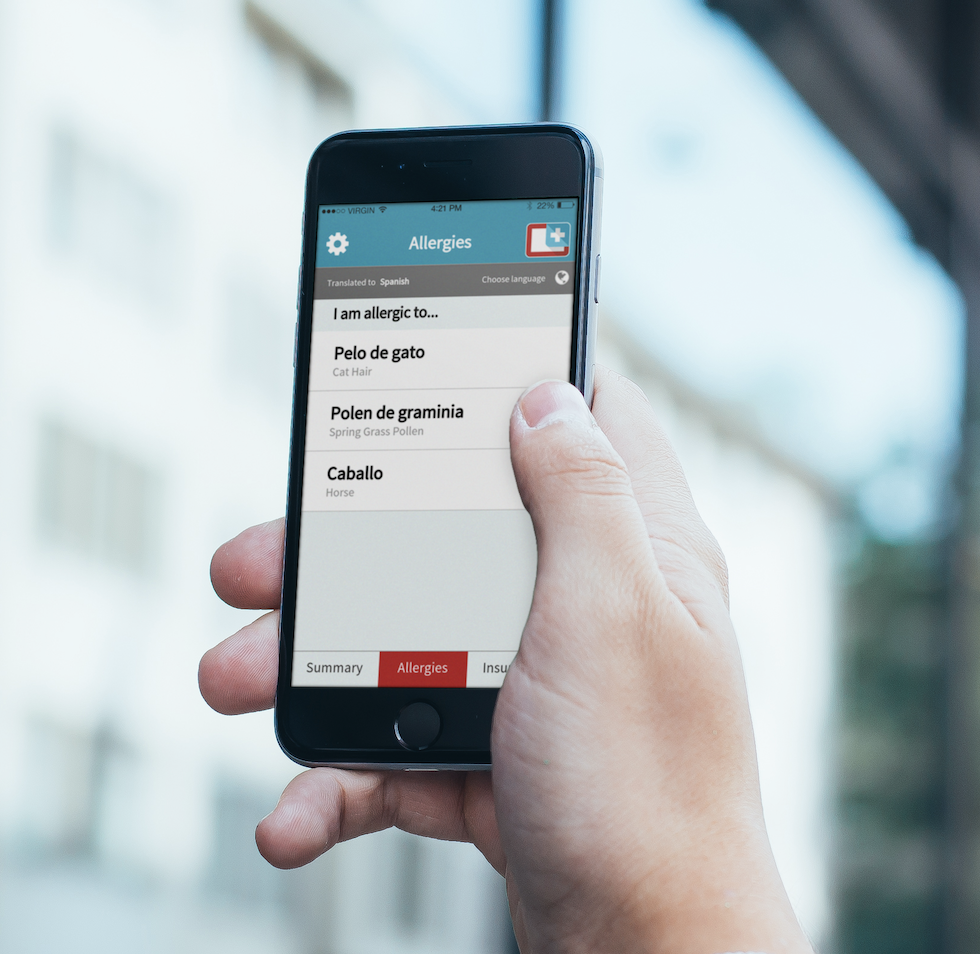
- World Medical Card: This service organises a patient's conditions, allergies, and prescriptions using World Health Organization (WHO) ICD-11 diagnosis codes and ATC drug classifications. A doctor anywhere in the world can instantly read these universal code formats regardless of local language differences.
- Dual Access: It pairs a secure digital mobile app with a physical medical ID card featuring a secure access code for emergency responders when devices are unavailable or uncharged. The app also allows members to upload scans and other medical documents.
Taking Control of Your International Health Safety
Language should never stand between you and accurate care. By keeping a centralised, universally readable record of your health profile, you remove guesswork for emergency medical teams and gain the freedom to travel, live, and work anywhere with confidence.
Find out more about World Medical Card HERE.